

Not everyone wants to log meals, weigh ingredients, or spend the day checking an app. The good news is that you do not need to track every gram of food to eat well and make meaningful progress. The core idea is simple: once you understand what protein-rich meals look like, you can build your day around that knowledge instead of relying on constant logging. Rachel Aust’s original post centers on exactly that approach, especially for busy women who want practical habits over perfection.
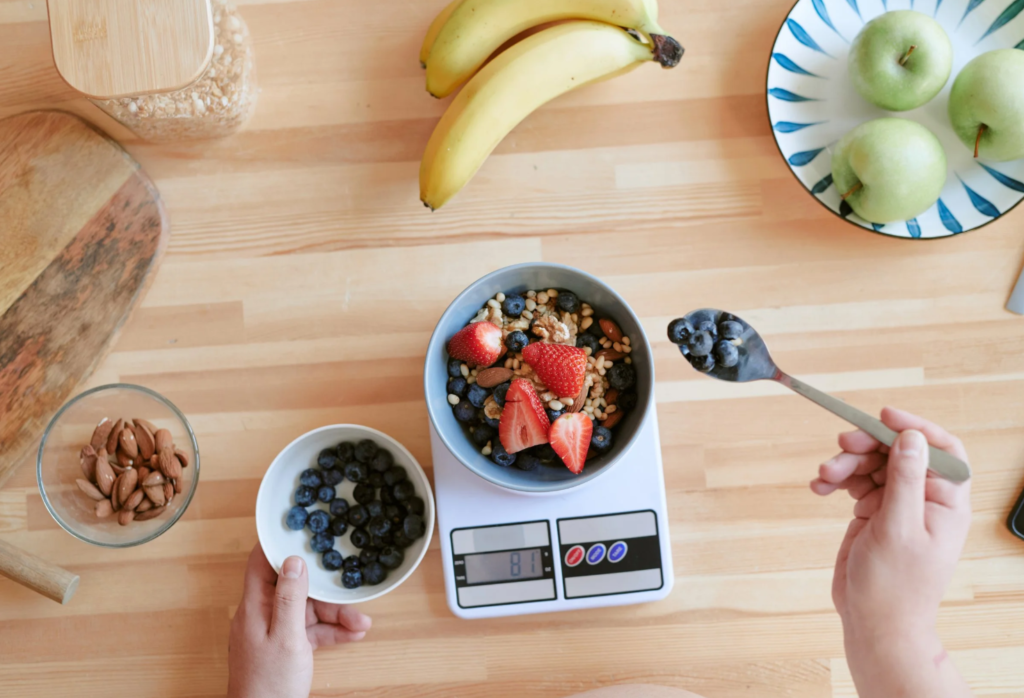
A lot of people assume that if they are not tracking macros, they are automatically falling behind. That is not necessarily true. Some people use tracking for a short time to learn portion awareness, then move on from it. Others skip it completely and still improve their eating habits. What matters most is not whether you log your food, but whether you know how to consistently include enough protein in meals that already fit your life.
One of the easiest ways to make that happen is to start the day with protein instead of hoping to catch up later. Breakfast is where many people fall short. Coffee alone will not carry you very far, and a low-protein morning can make it harder to reach your target by the end of the day. A breakfast with around 25 to 35 grams of protein gives you momentum early and takes pressure off the rest of the day. Greek yogurt with whey and berries, eggs with egg whites on toast, or a protein smoothie with milk and nut butter are all simple ways to get there.
It also helps to stop thinking only in numbers and start thinking in portions. Measuring every ingredient can feel exhausting, especially when life is already full. A more realistic strategy is to use visual cues. A palm-sized serving of lean meat or fish, a scoop of whey, or a couple of small tins of tuna can all serve as useful protein anchors. If most meals include one or two solid protein portions, you can often get surprisingly close to your daily goal without opening an app once.
Another smart move is upgrading the foods you already eat. You do not always need to add extra meals or completely change your routine. Sometimes the easiest win is simply choosing a higher-protein version of familiar staples. Protein wraps, lentil or edamame pasta, seeded breads, protein bagels, and quinoa can all give your meals more nutritional value without making your day more complicated. It is the same basic structure, just with more support built in.
Small add-ons can make a difference too. A meal does not have to revolve around a giant piece of meat to help you eat more protein. Sometimes a sprinkle of hemp seeds, pumpkin seeds, nutritional yeast, or parmesan can quietly raise your intake while also improving flavor and texture. These extras may seem minor, but across a full day they can add up. They also bring variety, which makes meals more satisfying and often more enjoyable to stick with.
If meal prep feels overwhelming, simplify it. You do not need to spend half your weekend assembling perfect containers for every lunch and dinner. A much easier method is to prep your protein first and build meals around it later. A tray of cooked chicken, salmon fillets in the fridge or freezer, or seasoned turkey mince ready to reheat can become wraps, bowls, salads, pasta dishes, or stir-fries throughout the week. Instead of preparing complete meals in advance, you prepare the part that usually takes the most effort.
It is also worth keeping an emergency protein option on hand. Everyone has evenings when cooking feels impossible. That is where a default backup can save the day. Protein yogurt, canned tuna or salmon, frozen edamame, pre-cooked prawns, or even a protein bar in your bag can help you stay consistent when your schedule falls apart. The goal is not to eat perfectly at all times. The goal is to make sure that your busiest days do not completely undo your good habits.
One mindset shift can make all of this much easier: build meals around protein first. Many people do the opposite. They start with pasta, rice, salad, or vegetables and then treat protein like an optional extra. Flipping that order changes everything. Start by asking what your protein source will be, then add the rest around it. Chicken with pasta works better than pasta with maybe some chicken. Tuna becomes the center of the salad, not an afterthought. Salmon leads the plate, while rice and vegetables support it. That simple shift makes protein more automatic.
And yes, protein powder can still be useful. It does not have to replace real food, but it can be a helpful tool when time is tight. Mixed into oats, blended into coffee, added to pancake batter, or stirred into yogurt, it can boost your intake without much effort. In the original piece, Rachel notes that she prefers to keep it to about once a day for variety and comfort, which is a sensible way to think about it. It is not magic, just convenient.
At the heart of all of this is a simple message: you do not need to obsess over food to eat with intention. When you learn what a good protein portion looks like, keep a few reliable staples around, and make protein the foundation of your meals, you can reach your target with far less stress. No constant tracking. No perfection. Just practical habits that work in real life.