

Protein has become one of the most talked-about nutrients in modern nutrition—and for good reason. Whether your goal is to build muscle, lose body fat, or simply improve your overall health, protein plays a central role in how your body functions and performs. Yet many people still struggle to eat enough of it consistently.
Becoming what some coaches call a “protein master” isn’t about obsessing over numbers or eating chicken at every meal. Instead, it’s about understanding why protein matters and building simple habits that help you reach your daily targets without feeling overwhelmed.
Why Protein Matters More Than You Think
Protein is often described as the building block of the body, and that description is quite accurate. It plays a role in building and repairing tissues, supporting muscle growth, and maintaining structures like skin, hair, bones, and cartilage. It also contributes to hormone production, enzyme activity, and immune function.
When it comes to body composition, protein becomes even more important. Strength training and physical activity can stimulate muscle development, but without enough dietary protein, the body lacks the raw materials needed to build and maintain lean muscle mass. Lean muscle, in turn, supports a healthy metabolism and helps the body burn energy more efficiently.
Another benefit of protein is its ability to keep you feeling satisfied. Compared with many other foods, protein-rich meals tend to reduce hunger and help control cravings. This makes it easier to maintain consistent eating habits and avoid overeating.
In short, adequate protein intake supports muscle development, metabolic health, and appetite control—all essential elements of long-term wellness.
Common Sources of Protein
Fortunately, protein can be found in a wide variety of foods. Animal-based sources such as chicken, beef, fish, eggs, and seafood are well known for their high protein content. Plant-based options—including beans, lentils, peas, tofu, nuts, and seeds—also contribute meaningful amounts of protein to the diet.
Even whole grains and certain vegetables contain small amounts of protein, which can add up throughout the day.
For those following vegetarian or vegan diets, reaching adequate protein levels may require a bit more planning. Combining different plant-based foods and including high-protein options like lentils or tofu can help ensure nutritional needs are met.
Build Meals Around Protein First
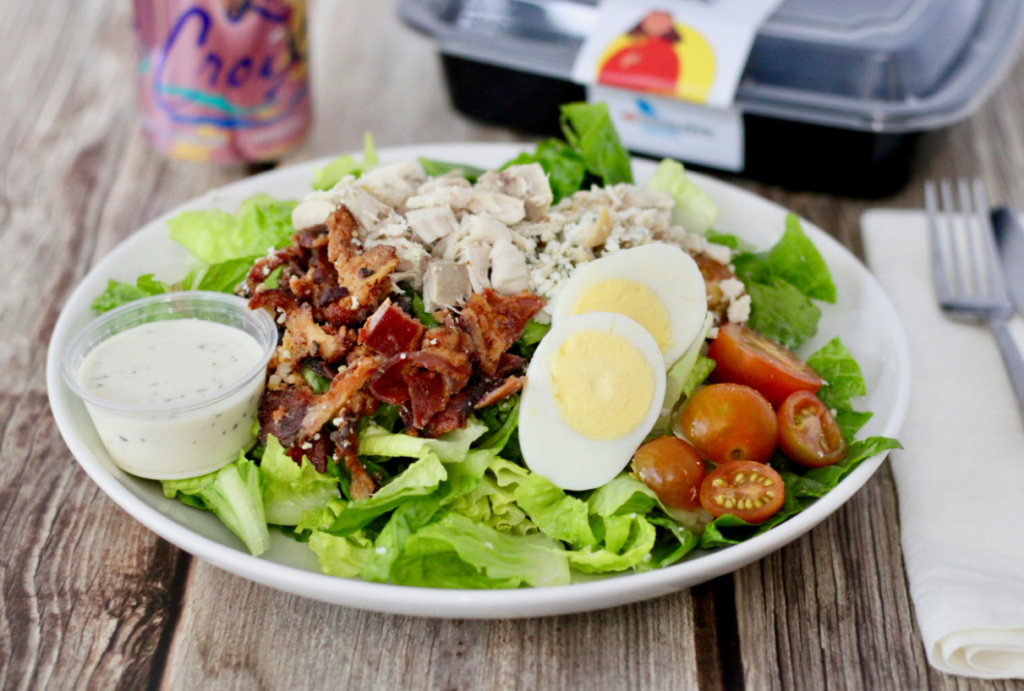
One of the simplest ways to increase protein intake is to make it the starting point when planning meals. Instead of thinking about protein as an afterthought, begin with the main protein source and build the rest of the meal around it.
Many nutrition experts recommend including protein at every meal. A typical target might be around 25–35 grams of protein per meal, depending on individual needs.
This approach spreads protein intake evenly throughout the day, which helps support muscle maintenance and keeps energy levels stable.
Plan Ahead to Stay Consistent
Consistency is often the hardest part of healthy eating. Planning ahead can make a huge difference.
One useful strategy is to log or plan your meals in advance. When you identify your protein sources for the next day, you are far more likely to meet your goals. Some people even plan their protein intake several days in advance to reduce decision fatigue and simplify grocery shopping.
Another helpful tactic is to create a list of go-to meals that can easily be adjusted depending on your needs. For example, a stir-fry can be prepared with either cauliflower rice or brown rice depending on whether you want a lower- or higher-carbohydrate version.
Having flexible meal templates makes it easier to stay on track even when your schedule changes.
Simple Ways to Increase Your Protein Intake
If you find yourself falling short of your daily protein target, small adjustments can help close the gap.
One of the easiest strategies is simply increasing portion sizes slightly. Adding an extra ounce of meat or fish to your usual serving can boost protein intake without dramatically changing your meals.
High-protein snacks can also help fill in the gaps between meals. Options such as hard-boiled eggs, tuna salad, jerky, protein shakes, or edamame provide convenient sources of protein that require little preparation.
At restaurants, consider ordering extra protein when possible. Doubling the protein portion in a meal can significantly increase your intake without adding excessive calories from other sources.
For those who prefer lighter meals or don’t enjoy meat, protein powders or plant-based alternatives can provide a practical solution.
Track and Measure Accurately
Tracking food intake can be a valuable tool for understanding how much protein you’re actually consuming. Nutrition apps often include extensive food libraries, allowing users to log meals and monitor macronutrient intake.
However, accuracy matters. Many experienced nutrition coaches recommend scanning barcodes rather than manually searching for foods, since user-generated entries can sometimes contain errors.
Another important consideration is how food is measured. The weight of cooked meat differs from its raw weight because cooking reduces water content. For example, four ounces of cooked chicken breast typically provide around 35 grams of protein, but that portion weighs more before cooking.
Being consistent with measurement methods ensures that tracking remains reliable.
The Bigger Picture
Ultimately, becoming a “protein master” isn’t about perfection—it’s about building sustainable habits. Prioritizing protein in meals, planning ahead, incorporating high-protein snacks, and tracking intake when necessary can all help make the process easier.
Over time, these strategies become second nature. Instead of constantly worrying about whether you’re getting enough protein, you develop a routine that naturally supports your nutrition goals.
When combined with regular exercise and balanced meals, adequate protein intake can play a powerful role in improving body composition, supporting metabolism, and maintaining overall health.
And the best part? Once you learn how to structure your meals around protein, healthy eating becomes far less complicated—and far more effective.