

Goose bumps are one of those tiny physical reactions almost everyone has experienced, yet few people stop to think about what they actually mean. They can appear in a cold room, during a frightening moment, or even while listening to a song that suddenly hits with unexpected emotional force. What seems like a small and ordinary skin response is actually tied to a much older biological system—one that links temperature, emotion, survival, and evolution.
At the center of goose bumps is a process known as piloerection. This happens when tiny smooth muscles attached to each hair follicle, called arrector pili muscles, contract automatically. As they tighten, they pull the hair upright and create the familiar raised bumps on the skin. This response is controlled by the sympathetic nervous system, the same system involved in the body’s fight-or-flight response, and it can be triggered within seconds by cold exposure, fear, or intense emotion.
From a biological standpoint, goose bumps make much more sense in animals than they do in humans. In mammals with thick fur, raised hairs trap a layer of air close to the skin, improving insulation and helping conserve body heat. The same reaction can also make an animal appear larger and more intimidating when threatened. Humans still carry the same physical machinery, but because our body hair is sparse, the warming effect is minimal. In that sense, goose bumps are often described as an evolutionary leftover—something our ancestors likely benefited from far more than we do now.
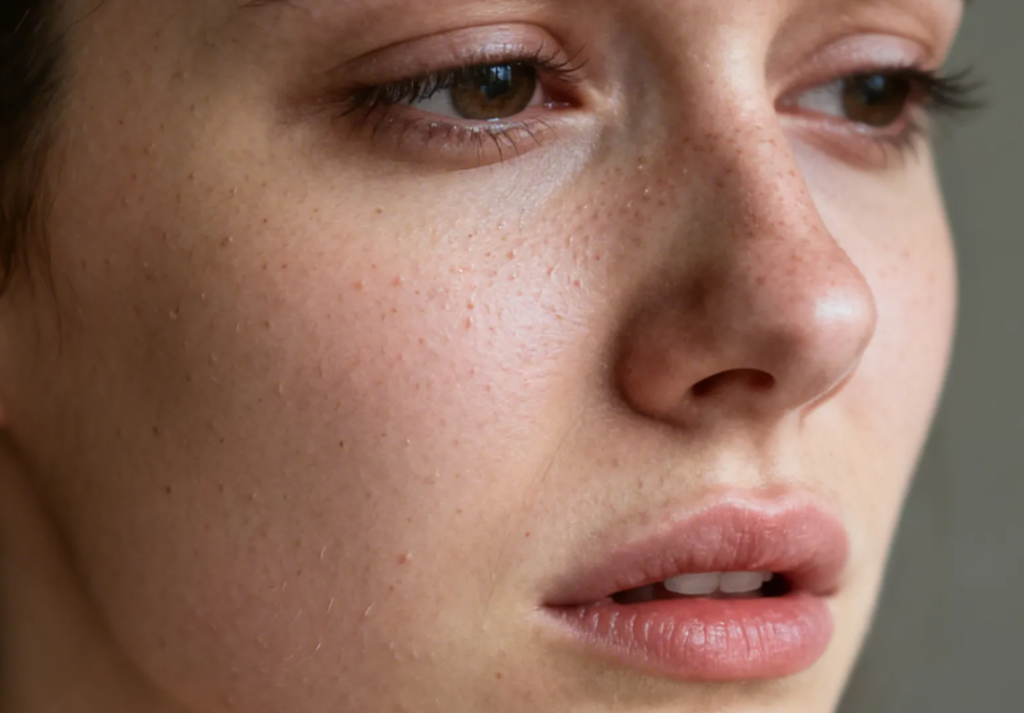
Still, calling goose bumps “useless” would be an oversimplification. The reflex remains active because it is wired into larger systems we still depend on. Cold is the most obvious trigger. When the skin senses a drop in temperature, the brain sends rapid signals through sympathetic nerves to contract those hair-follicle muscles. In humans, this does little to preserve warmth, but it is still part of the body’s immediate cold-response pattern.
Fear is another classic cause. A sudden scare can release adrenaline, increase heart rate, sharpen attention, and bring on goose bumps at the same time. In animals, this would have helped create a larger visual profile in a threatening situation. In people, the effect is less dramatic externally, but it still reflects the body shifting into a protective, alert state. Goose bumps in those moments are less about appearance and more about ancient wiring still doing its job.
Then there is the emotional side, which may be the most fascinating of all. Goose bumps do not only belong to fear or cold—they can also arrive during moments of awe, joy, grief, suspense, or deep emotional resonance. Music is one of the most common examples. A sudden key change, a swelling chorus, or a powerful voice can trigger what researchers often call emotional chills or frisson. Similar reactions can happen during films, poetry, speeches, or breathtaking experiences in nature. These moments appear to involve brain reward and arousal pathways, with chemicals such as dopamine and adrenaline playing a role.
Not everyone experiences these chills in the same way. Some people seem more sensitive to them than others, and the original article notes that traits such as openness to experience and strong sensory responsiveness may make emotional goose bumps more likely. That helps explain why one person gets chills during a concert while another simply enjoys the music without any physical reaction. The response is real, but highly personal.
An especially curious question is whether goose bumps can be controlled on purpose. For most people, the answer is no. Because the muscles involved are governed by the autonomic nervous system, goose bumps usually happen without conscious control. However, a small minority of people appear able to induce them voluntarily through concentration, visualization, or a kind of internal “flex” sensation. The article points out that this ability seems rare, and there is no strong evidence that it can be reliably taught to people who do not naturally have it.
Although goose bumps are usually harmless, there are times when they may deserve more attention. If they happen often without a clear trigger, last longer than expected, or show up with other symptoms, they may signal something beyond a normal reflex. The source article mentions possible links with neurological issues, withdrawal states, migraine phenomena, medication effects, fever cycles, thyroid imbalance, panic episodes, and other health-related factors. Warning signs include pain, itching, rash, dizziness, blood pressure changes, weakness, numbness, or vision problems appearing alongside the goose bumps.
In most cases, though, goose bumps are simply a small reminder that the body is always interpreting the world around us. A cold breeze, a sudden shock, or a deeply moving experience can all activate the same ancient system. What looks like a minor skin reaction is actually a window into the nervous system, emotional processing, and our evolutionary history. Goose bumps may no longer help us survive in the way they once did, but they still reveal just how closely the body and mind remain connected.