

Mindfulness used to sound a little abstract to me. I understood the general idea of being present, but for a long time, I thought it had to look a certain way: sitting perfectly still, clearing my mind, and somehow becoming instantly calm. In real life, that is not how it works for me at all.
What I’ve learned instead is that mindfulness can be simple, practical, and incredibly useful in everyday life. It is less about perfection and more about noticing. Noticing what your body needs. Noticing how stress is showing up. Noticing when your thoughts are running the show. And once you start paying attention, it becomes much easier to make choices that actually support your well-being.
Over time, mindfulness has become one of the most helpful tools in my daily wellness routine. It helps me manage stress, feel more grounded, and even approach things like food and movement in a healthier, more balanced way. These are five mindfulness practices I return to again and again because they genuinely help me feel good.
1. Meditation
If there is one mindfulness practice that has made the biggest difference for me, it is meditation.
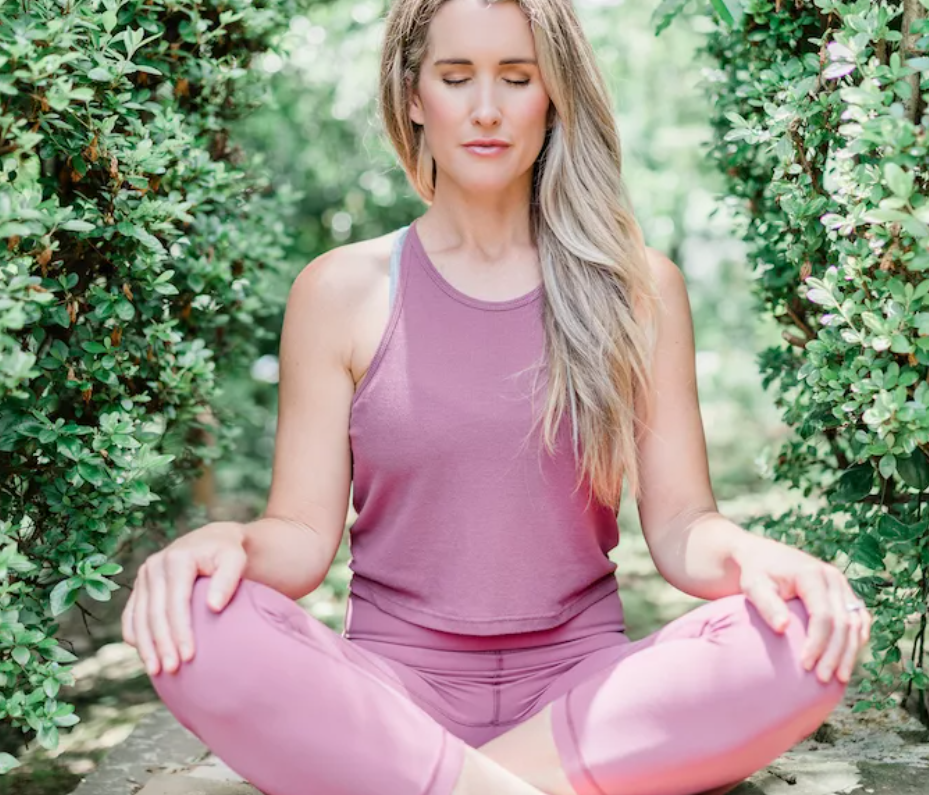
Meditation gives me a chance to slow down and reconnect with myself before the noise of the day takes over. It does not mean I stop thinking entirely. My mind still wanders, and some days are definitely easier than others. But that is part of the practice. The point is not to force silence. The point is to notice when your attention drifts and gently bring it back.
That small act of returning to the present moment is powerful. It teaches patience, self-awareness, and calm in a way that carries into the rest of the day.
What I love most about meditation is that it does not have to be long or complicated to be effective. Even a few quiet minutes can shift how I feel. If I start the day with meditation, I tend to feel more centered and less reactive. I am better able to respond instead of rushing from one thing to the next on autopilot.
2. Mindful Movement
Mindfulness is not limited to sitting still. In fact, some of the most effective moments of mindfulness happen when I am moving.
Mindful movement has become another important part of feeling good every day. Whether it is walking, stretching, yoga, or another form of exercise, movement helps me get out of my head and back into my body. Instead of treating exercise like a task to complete or calories to burn, I try to treat it as a chance to connect with how I feel.
That shift changes everything.
When I move mindfully, I notice my breathing, my energy, and the way my body responds. I can tell when I need something energizing and when I need something gentler. It becomes much less about punishment and much more about support.
This kind of awareness has helped me build a healthier relationship with fitness. It reminds me that movement should add to my well-being, not drain it. Some days that means a long walk outside. Other days it means a slower workout or just a few stretches. The value is in paying attention.
3. Practicing an 80/20 Approach to Eating
One of the more surprising ways mindfulness has helped me is through the way I eat.
For me, mindful eating is not about rigid rules or trying to eat perfectly. It is about being more intentional and less all-or-nothing. That is why I come back to an 80/20 approach. Most of the time, I focus on foods that nourish me and make me feel my best. Then I leave room for flexibility, enjoyment, and real life.
This way of eating feels sustainable because it is grounded in awareness rather than restriction.
Mindfulness helps me notice what my body actually wants and how different foods affect me. It helps me slow down enough to recognize hunger, fullness, satisfaction, and cravings without immediately judging them. That awareness creates more balance. I am less likely to swing between extremes, and more likely to make choices that feel supportive overall.
It also takes so much pressure off. When eating comes from a place of mindfulness instead of control, it becomes easier to enjoy food while still caring for your health.
4. Using My Breath to Reset
Sometimes the fastest way to come back to yourself is through your breath.
Breathing is such a simple tool, but it is one of the most effective. When I feel stressed, overwhelmed, or disconnected, taking a moment to pause and focus on my breath can create an almost immediate shift. It slows everything down just enough for me to reset.
The reason this works so well is because the breath is always available. You do not need a perfect environment, extra time, or anything fancy. You can use it in the middle of a busy day, before a difficult conversation, or during a stressful moment when your thoughts are starting to spiral.
Even a few deep, intentional breaths can help me feel calmer and more present. It reminds me that I do not have to stay stuck in tension. I can interrupt that pattern and return to the moment I am actually in.
That is what makes breathwork such a valuable mindfulness tool. It is simple, accessible, and effective.
5. Shifting My Perspective
The final mindfulness practice I rely on has more to do with mindset than anything else: consciously shifting my perspective.
This has been one of the most important lessons mindfulness has taught me. So much of how I feel is tied to the story I am telling myself. When I am stressed or discouraged, it is easy to get caught in unhelpful thought patterns and assume those thoughts are facts. Mindfulness helps me step back and see them for what they are: thoughts, not truth.
Once I create that space, I can choose a different perspective.
That does not mean pretending everything is positive or ignoring hard feelings. It simply means becoming aware enough to question what is happening in my mind. Is this thought helpful? Is it kind? Is there another way to look at this situation?
That pause can change the tone of an entire day. It helps me move from self-criticism to self-compassion, from frustration to curiosity, and from feeling stuck to feeling more open.
Final Thoughts
Mindfulness has become one of the most supportive parts of my wellness routine, not because it is dramatic, but because it is practical. It helps me slow down, check in, and make choices that leave me feeling better in my body and mind.
The best part is that mindfulness does not have to be complicated. It can look like a few minutes of meditation, a walk with full attention, a more balanced approach to eating, a deep breath in a stressful moment, or simply choosing to see something differently.
These small practices may seem simple, but over time they can have a big impact. And when life feels busy or overwhelming, having a few reliable tools like these can make all the difference.
The original post was published on Elizabeth Finch Wellness on October 5, 2023, and highlights meditation, mindful movement, an 80/20 eating approach, breath-based reset practices, and perspective shifts as daily mindfulness tools.