

For many people, the day doesn’t truly begin until that first sip of coffee. It’s a ritual—comforting, energizing, and deeply ingrained. But what if your morning cup could do more than just wake you up? What if it could also support your focus, reduce stress, and contribute to your overall well-being?
That’s exactly the promise behind mushroom coffee—a growing trend that blends traditional coffee with extracts from medicinal mushrooms. While it may sound unusual at first, this “upgrade” to your daily brew is gaining attention for its potential to offer a more balanced and functional start to the day.
What Exactly Is Mushroom Coffee?
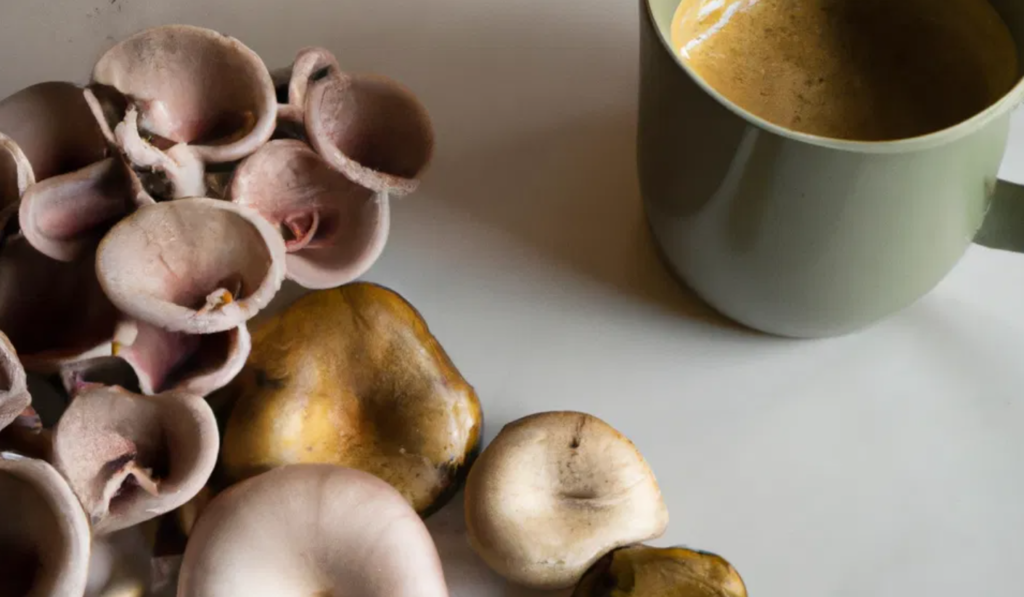
Despite the name, mushroom coffee doesn’t resemble a bowl of mushrooms floating in your mug. Instead, it’s a carefully crafted blend of regular coffee and powdered extracts from medicinal mushrooms such as lion’s mane, reishi, chaga, and cordyceps. These mushrooms have long histories in traditional wellness practices and are valued for their bioactive compounds.
The final product looks and tastes surprisingly similar to regular coffee—often described as slightly earthy or nutty, but not overwhelmingly different. In fact, many people barely notice a difference at all.
What makes mushroom coffee distinct is not its flavor, but its composition. By combining coffee with functional mushrooms, the drink aims to deliver both the familiar boost of caffeine and the added benefits of natural compounds like antioxidants and polysaccharides.
A Gentler Energy Boost
One of the biggest selling points of mushroom coffee is its lower caffeine content. Because part of the blend comes from mushrooms rather than coffee beans, the total caffeine is typically reduced—sometimes by nearly half.
This can make a noticeable difference. Instead of the sharp spike and crash often associated with regular coffee, mushroom coffee is often described as providing a smoother, more sustained energy release. For people who are sensitive to caffeine—or simply tired of the jitters—this can feel like a welcome shift.
At the same time, it’s important to note that mushroom coffee is not caffeine-free. It still contains enough to stimulate alertness, but potentially without the intensity that disrupts sleep or causes restlessness.
Focus, Clarity, and Cognitive Support
Certain mushrooms used in these blends, particularly lion’s mane, are often associated with cognitive support. Early research suggests that compounds in these mushrooms may help support brain function, memory, and mental clarity.
This is why mushroom coffee is frequently marketed as a “focus-enhancing” beverage. Instead of simply stimulating the nervous system like caffeine does, it aims to support cognitive performance in a more balanced way.
While the science is still evolving, many users report feeling more clear-headed and less mentally fatigued compared to their usual coffee routine.
Immune and Stress Support
Another key appeal lies in the potential immune-supporting properties of medicinal mushrooms. Varieties like chaga and reishi are rich in antioxidants and compounds such as beta-glucans, which may help support immune function.
Additionally, some of these mushrooms are considered adaptogens—substances that may help the body better respond to stress. This has led to claims that mushroom coffee can promote a calmer, more balanced state throughout the day.
Some proponents even suggest benefits like reduced inflammation, improved sleep, and better stress management.
The Reality Check: What Science Actually Says
While the potential benefits sound impressive, it’s important to approach them with a level of realism.
Much of the research on medicinal mushrooms has been conducted in controlled settings—often using concentrated extracts or supplements rather than coffee blends. As a result, there is limited direct evidence that mushroom coffee itself delivers the same effects in humans.
In other words, while mushrooms do contain beneficial compounds, we don’t yet know how much of those benefits survive processing, brewing, and dilution in a typical cup of mushroom coffee.
It’s also worth noting that mushroom coffee is not a replacement for medical treatment. Claims that it can cure or treat serious conditions are not supported by scientific evidence.
Are There Any Downsides?
For most people, mushroom coffee is considered safe when consumed in moderation. However, there are a few considerations to keep in mind.
Some individuals may experience digestive discomfort or allergic reactions, particularly if they are sensitive to mushrooms. Additionally, certain mushroom compounds can interact with medications, including those affecting blood sugar or immune function.
There’s also the issue of product quality. Not all mushroom coffee blends are created equal. The type of mushrooms used, the extraction process, and the overall formulation can vary widely, affecting both potency and effectiveness.
Finally, cost can be a factor. Mushroom coffee is often significantly more expensive than regular coffee, which raises the question of whether the added benefits justify the price.
Should You Make the Switch?
Mushroom coffee isn’t a miracle drink—but it doesn’t have to be to be worthwhile.
If you’re looking for a way to reduce your caffeine intake, experiment with functional foods, or simply try something new, it can be an interesting addition to your routine. It offers a different kind of energy experience—one that many people find smoother and more balanced.
However, it’s best to view it as a complement to a healthy lifestyle, not a shortcut to better health. A well-rounded diet, good sleep, and regular movement still play a far greater role in overall well-being than any single beverage.
The Bottom Line
Mushroom coffee represents a shift in how we think about everyday habits. It takes something familiar—your morning cup—and reimagines it as an opportunity for added support and intention.
Whether it truly lives up to all its claims is still an open question. But as a concept, it reflects a growing desire to combine convenience with wellness in a way that feels both practical and sustainable.
And sometimes, that alone is enough reason to take a second look at what’s in your cup.