

Getting enough protein does not have to depend on meat, eggs, or dairy. Plant-based eating has become more popular for a reason: it can support overall health, help with weight management, and make meals feel lighter without sacrificing nutrition. Many plant protein foods also bring extra benefits to the table, including fiber, iron, magnesium, and antioxidants. That means you are not just getting protein, but a broader package of nutrients that can support energy, digestion, and heart health.
One of the easiest ways to approach plant-based protein is to think beyond a single “best” food. Instead, build variety into your meals. Some options naturally provide all essential amino acids, while others work best when paired with grains, seeds, or legumes. The result is a practical, balanced way to eat that feels sustainable in everyday life.
Lentils deserve a place near the top of the list. A cooked cup offers around 18 grams of protein, along with fiber that helps support fullness and digestive health. Lentils are also flexible in the kitchen. Red lentils break down beautifully in soups, while green and brown lentils hold their shape in salads, grain bowls, and stews. Pairing lentils with rice or quinoa can create a more complete amino acid profile.
Beans are another reliable staple. Black beans, kidney beans, and similar varieties usually provide about 15 grams of protein per cooked cup. They are hearty, affordable, and easy to use in chili, burritos, soups, and dips. Chickpeas belong in this conversation too. With roughly 15 grams of protein per cooked cup, they offer a nutty flavor and work in everything from hummus to roasted snacks to rich curries. Green peas may be more modest at 8 to 9 grams per cup, but they cook quickly and add a welcome protein boost to soups, pasta dishes, and stir-fries.
Soy foods remain some of the strongest plant-based protein options available. Tofu provides about 10 grams of protein per 100 grams and contains all the essential amino acids, making it a complete protein. It is also one of the most adaptable ingredients in a plant-based kitchen. Tofu can be grilled, scrambled, baked, or stir-fried, and it absorbs marinades exceptionally well. Other soy-based foods, such as tempeh and edamame, also offer complete protein and help bring more variety to weekly meals.
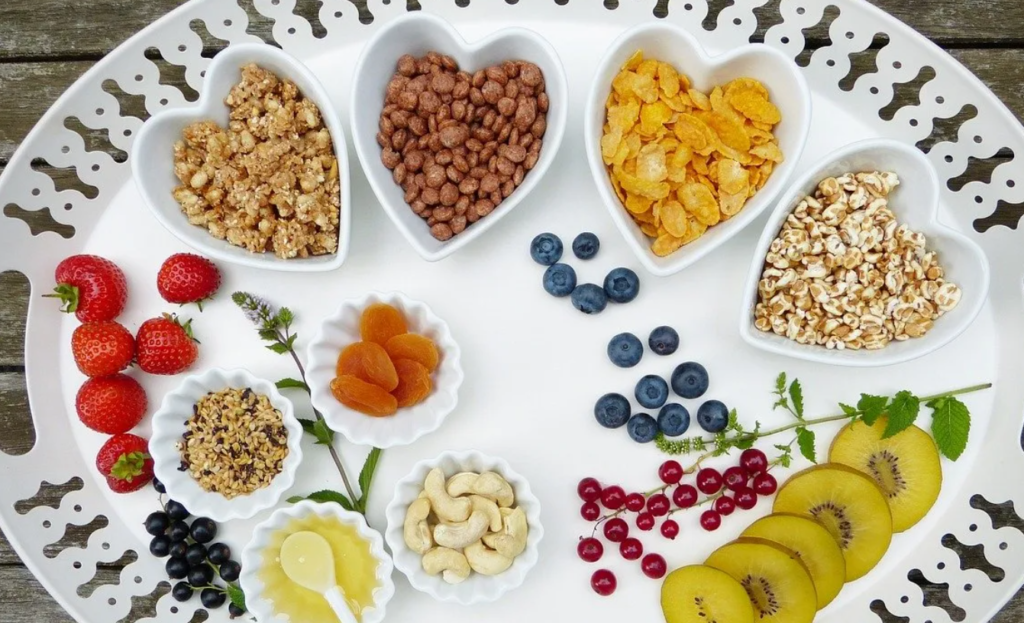
Grains and seeds can play a bigger role than many people expect. Quinoa stands out because a cooked cup provides about 8 grams of protein and includes all essential amino acids. It is naturally gluten-free and works well in both savory bowls and breakfast dishes. Sprouted grains, including oats and spelt, usually provide around 6 to 8 grams per serving and may be easier for some people to digest.
Seeds are small but powerful additions. Hemp hearts provide about 10 grams of protein in three tablespoons and also contain omega-3 and omega-6 fats. Chia seeds offer around 5 grams of protein in two tablespoons, plus fiber that supports digestion. Both are easy to work into real life. Sprinkle them over oatmeal, blend them into smoothies, or stir them into yogurt and overnight oats. These small upgrades can raise the nutrition of a meal without much extra effort.
Nuts also deserve attention, especially almonds. One ounce gives about 6 grams of protein, along with satisfying fats that can help keep hunger in check. Almonds work as a quick snack, but they also add texture and richness to salads, grain bowls, and homemade trail mixes. Nut butters can do the same while making breakfast or snacks more filling.
For those who want more concentrated sources, a few modern options stand out. Seitan is especially high in protein, delivering about 25 grams per 100 grams. Its chewy, meat-like texture makes it popular in sandwiches, wraps, and stir-fries. Pea protein isolate is another convenient choice, usually offering 20 to 25 grams per serving. It is commonly used in shakes, smoothies, and protein bars, and it is often chosen by people looking for a dairy-free workout option.
There are also a few less traditional foods worth exploring. Mycoprotein, made from fungi, typically provides 15 to 20 grams of protein per serving and is often used in nuggets, patties, and other easy meals. Nutritional yeast offers around 8 grams of protein in two tablespoons and adds a savory, cheesy flavor to pasta, popcorn, and sauces. Spirulina, though used in smaller amounts, contributes about 4 grams of protein per tablespoon and is often mixed into smoothies or energy bites.
The real strength of plant-based protein is not just in one ingredient but in how these foods work together. A bowl of quinoa with lentils and roasted vegetables, toast with almond butter and chia, or a tofu stir-fry with brown rice can all become satisfying, protein-rich meals. The goal does not need to be perfection. It can simply be building each meal around one dependable protein source and adding variety across the week.
A simple strategy makes this easier. Cook a batch of beans or lentils, prepare quinoa or another grain ahead of time, and keep seeds, nuts, or nut butter available for quick additions. That kind of preparation can turn healthy eating into something practical rather than overwhelming. Over time, those small choices make it much easier to meet your protein needs while enjoying a more diverse and nutrient-rich way of eating.