

For many people trying to lose fat or improve their body composition, the weekly “cheat day” feels like a reward. You stay disciplined all week, keep your calories under control, train hard, and then give yourself permission to relax for one meal or one day. On the surface, it sounds balanced. In practice, it often creates the exact problems people are trying to avoid.
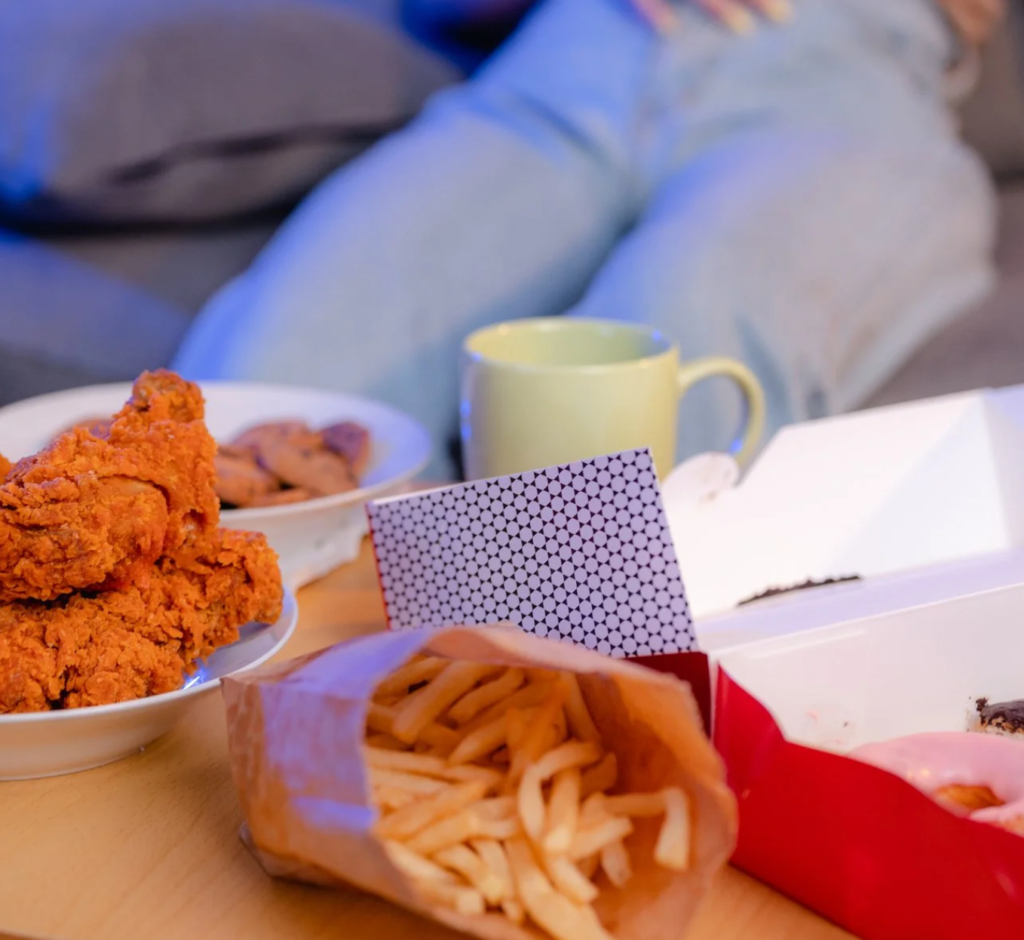
The issue is not that enjoyable food is bad. Most foods can fit into a healthy lifestyle when portions and frequency are kept in perspective. The real problem is the mindset attached to the word “cheat.” Once food is labeled as forbidden, special, or rare, it becomes emotionally charged. That makes people more likely to overdo it, not because they are weak, but because the meal starts to feel like an event rather than just another part of normal eating.
This is where many diets begin to fall apart. A person may spend five or six days in a calorie deficit, only to erase that progress with one or two large meals over the weekend. Depending on how calorie-dense those meals are, they can bring the weekly average right back to maintenance, or even above it. That means someone can feel “good” all week and still see no progress at all.
A better approach is to stop thinking in terms of cheat meals and start thinking in terms of flexibility. That small shift in language matters. Instead of a meal being something rebellious or deserved, it becomes something planned and neutral. Some coaches use the term “free meal” for this reason. The idea is simple: the meal is part of the structure, not a break from it. It is not something you must earn, and it is not something you need to punish yourself for later.
That distinction can completely change behavior. When the meal is no longer treated like a rare opportunity, there is less urgency to squeeze every possible craving into one sitting. A satisfying dinner out might just mean a main course and dessert, rather than drinks, sides, snacks later, and the familiar thought that the day is already ruined anyway. The difference between moderation and a blowout is often not the food itself, but the mindset that comes before it.
Another common mistake is trying to “save calories” all day in preparation for a big meal. It seems logical, but it often backfires. Arriving at dinner overly hungry makes it much harder to regulate appetite and make calm decisions. People tend to over-order, eat faster, and keep grazing after the meal is over. A more effective strategy is to eat balanced meals earlier in the day so that hunger does not take over.
It also helps to be selective. Many high-calorie meals become excessive because everything gets stacked together at once: the rich entrée, the sides, the drinks, and dessert. A more sustainable approach is to choose the part you genuinely care about most. Maybe you want the pasta, or maybe you want cocktails with friends, or maybe dessert is the main attraction. Picking one main indulgence often gives plenty of satisfaction without turning the meal into a calorie avalanche.
What happens after the meal matters too. One of the worst reactions is trying to “make up for it” the next day with severe restriction or extra cardio. That response often feeds the same cycle over and over: overeat, feel guilty, compensate, become overly hungry, and overeat again. A much steadier path is to return to normal meals, normal activity, and normal training. One off-plan meal does not destroy progress, but the emotional reaction to it can absolutely create long-term damage.
It is also important to match flexibility to the goal. During maintenance, reverse dieting, or a gentle fat-loss phase, occasional flexible meals are usually easier to manage. But if someone is working with a very small calorie deficit, trying to cut aggressively, or dealing with high stress and poor sleep, too much flexibility can make progress harder. In those situations, tighter boundaries may simply work better. The level of freedom should match the phase you are in.
For some people, even planned flexibility is not helpful right now. If every free meal leads to overeating, guilt, and restriction afterward, it may be smarter to pause those meals for a while. That does not mean giving up forever. It means stabilizing food intake, rebuilding trust with food, and learning consistency before trying to add more flexibility. Structure often has to come first.
And when progress stalls, a short period of tracking can be surprisingly useful. Many restaurant meals and comfort foods are more calorie-dense than they appear. Estimating those meals for a week or two can reveal why fat loss has slowed and help you make small, realistic adjustments without panic or guesswork.
In the end, the biggest lesson is this: a plan that requires misery during the week and chaos on the weekend is not a plan built for real life. Sustainable progress comes from learning how to enjoy food within your goals, not from swinging between strict control and total release. When eating becomes more consistent, more flexible, and less emotionally loaded, results are not only easier to achieve—they are much easier to keep.