

If you exercise regularly, eat fairly well most of the time, and genuinely try to take care of yourself, it can be incredibly frustrating when your body suddenly feels unfamiliar. One day you wake up looking and feeling normal, and the next you feel swollen, heavy, uncomfortable, and disconnected from yourself. Your stomach seems distended by the afternoon, your muscles look flatter than usual, and it feels like all your progress has disappeared overnight.
In most cases, it has not.
That uncomfortable, puffy feeling is usually not random, and it does not automatically mean you are gaining fat or doing something wrong. More often, it is your body responding to a combination of stress, hormonal shifts, inconsistent recovery, poor mineral balance, and even posture-related pressure. When those factors build up, bloating and water retention can show up fast.
The good news is that this is often much more manageable than it feels in the moment.
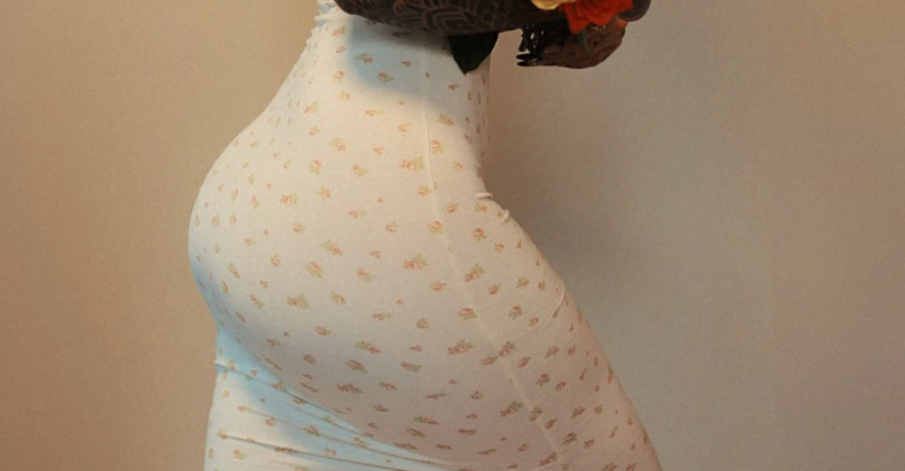
Stress and Hormonal Changes Can Shift Everything
One of the most common reasons women suddenly feel bloated or inflamed is the interaction between stress and the menstrual cycle. Stress affects far more than mood. It can influence fluid balance, digestion, and the way your body handles inflammation.
When stress levels rise, digestion can slow down, and your body may hold onto more fluid. During the late luteal phase of the menstrual cycle, this can become even more noticeable. Hormonal changes during that time can make water retention more pronounced, increase cravings, lower motivation, and leave you feeling tighter and more swollen than usual.
This is why the days before your period can feel especially uncomfortable. It is not necessarily because your routine has failed. Sometimes your body is simply more sensitive, more inflamed, and slower to process large meals.
During those days, eating lighter and simpler can help. Very high-fiber meals, oversized salads, huge bowls of oats, and heavy volume eating may seem healthy on paper, but they can actually make you feel worse if digestion is already sluggish. Many women feel better with more cooked vegetables, moderate portions, easy-to-digest carbohydrates like rice, potatoes, or sourdough, and simpler protein sources.
Inconsistent Training Can Create Unpredictable Water Retention
Another common issue is training inconsistency. Many people notice that after taking time off and jumping back into a hard workout, especially a demanding leg session, they retain more water the next day. That is because muscle repair pulls fluid into the tissues as part of the recovery process.
This response is normal. The problem starts when training lacks structure.
If your workouts are random, scattered, or based purely on mood, your recovery patterns also become unpredictable. One week might involve very little movement, and the next might include a few intense sessions packed together. That kind of inconsistency can increase soreness, inflammation, and temporary water retention.
A more structured approach to training often leads to more stable recovery, and that stability can help your body regulate fluid more effectively. The goal is not to train harder all the time. It is to create a rhythm your body can adapt to.
Drinking Water Is Not the Same as Being Properly Hydrated
A lot of women assume that if they are drinking plenty of water, hydration cannot be the problem. But that is not always true. Hydration is not just about fluid intake. It is also about whether your body has the minerals it needs to use that fluid properly.
Electrolytes like sodium, potassium, and magnesium help regulate fluid balance, muscle function, and digestion. When those minerals are out of balance, you may still feel bloated, tired, crampy, thirsty, or constipated, even if you are drinking enough water.
This is why simply increasing water intake does not always solve the issue. In some cases, the better strategy is improving mineral balance rather than forcing down more liters of water. When hydration is supported properly, the body can often regulate fluid retention much more effectively.
Sometimes the Problem Is Not Your Gut
Chronic bloating is often blamed entirely on digestion, but that is not always the full story. In some women, posture, breathing mechanics, and deep core function play a major role.
If you spend long hours sitting, hunching over a desk, or looking down at your phone, your ribcage and diaphragm can become restricted. When breathing mechanics are poor and the deep core is not working well, pressure can build through the torso. From the outside, that pressure may look like bloating.
This can help explain why someone feels relatively flat in the morning and noticeably expanded by the evening. It is not always about what they ate that day. In some cases, the issue is how the body is managing pressure, movement, and support through the core.
This is also why endless crunches rarely fix the problem. What often helps more is improving breathing patterns, posture, and deep-core engagement.
Your Body May Be Signaling Stress, Not Failure
When women feel puffy, bloated, or inflamed, many immediately assume they have messed something up. They think they have lost discipline, eaten too much, or undone their progress.
But often, the body is not broken. It is simply overloaded.
If you train hard without recovering well, eat healthy foods but inconsistently, drink water without paying attention to minerals, track macros while ignoring micronutrients, or spend an hour in the gym only to sit the rest of the day, your body may respond with fatigue, inflammation, water retention, and digestive discomfort.
That response is not a moral failure. It is feedback.
The Best Fix Is Often a Reset, Not an Extreme Overhaul
When your body feels off, the answer is usually not a detox, a crash diet, or cutting out carbohydrates in a panic. Most of the time, you do not need to reinvent your life. You need a short period of structure.
A practical reset can help calm inflammation, support digestion, regulate fluid balance, and restore a sense of normalcy. That might include more consistent training, better hydration with proper mineral support, easier-to-digest meals, lower stress inputs, and daily habits that help your nervous system settle down.
When you stop reacting emotionally and start addressing the actual patterns underneath the symptoms, things often improve much faster than expected.
Feeling bloated and puffy does not automatically mean you are gaining fat or going backward. In many cases, it means your body is asking for a little more consistency, a little more recovery, and a little less chaos.
Sometimes the most effective solution is not doing more. It is giving your body the structure it has been missing.